A one-night plan begins with the station code
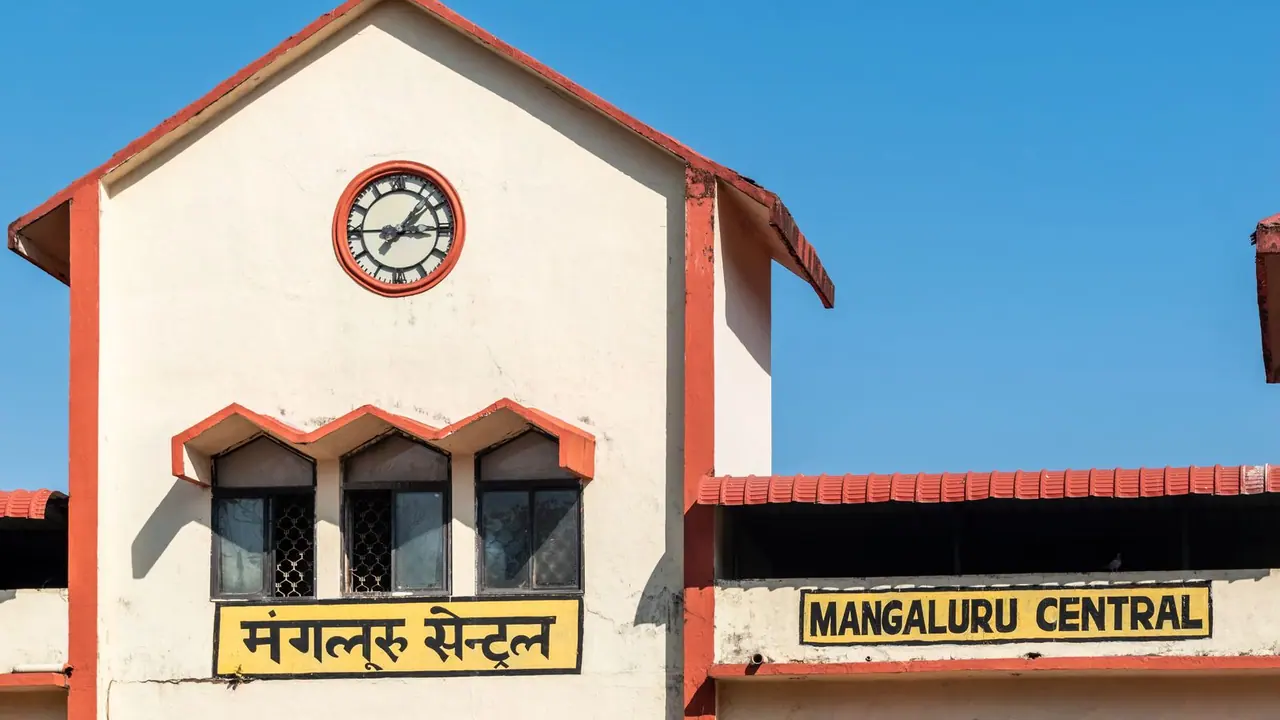
A short stay in Mangalore can work well when the arrival, hotel and departure are planned together. It becomes much harder when the itinerary treats every transport point as interchangeable. The district railway directory lists Mangaluru Central as MAQ in Attavara and Mangaluru Junction as MAJN in the Padil, Kankanady area. These are different destinations. Before searching for a room or choosing an attraction, read the station name and code on the actual ticket for both arrival and departure.
Do not assume that an arriving train and a departing train use the same station because both bookings say Mangaluru. Confirm each stop independently through the operator’s current information. A one-night itinerary has little room for a location misunderstanding, especially if it also includes a hotel checkout or a sightseeing stop. Getting the station right does not make the rest of the trip complicated. It gives you a reliable starting point from which to simplify everything else, including the area where the room will be most useful.
Book the hotel around the trip’s fixed points
The train or flight you must catch is a fixed point; an optional attraction is not. Choose the hotel location after identifying those fixed points and the amount of time you can realistically use between them. The district transport guide describes Central as a city-centre station and distinguishes Junction from it. That is orientation, not a door-to-door travel promise. Compare the hotel’s actual entrance with your confirmed arrival and departure locations rather than choosing solely by a broad “near station” label.
For a hypothetical guest arriving at Central and leaving from Central the next morning, a city-centre base may simplify the stop. A traveller arriving at Junction and leaving by air faces a different set of routes. Neither should copy the other’s hotel choice without checking the transfers. Ask the property for its guest entrance pin and describe the exact station on the ticket. A useful booking enquiry names the fixed points clearly enough that the property cannot accidentally answer for the wrong transport destination.
Protect the usable hours by handling luggage first
A sightseeing plan is not practical until you know what happens to your bags. Confirm the hotel’s check-in time and ask what it can provide if you arrive before the room is ready. Do not assume a station or airport has a luggage facility available for your needs, and do not assume every hotel stores bags after checkout. The question should be answered by the operator responsible for the arrangement. A written hotel confirmation can be more useful than a long list of attractions you cannot comfortably visit while carrying everything.
If no storage arrangement is confirmed, simplify the day instead of building the itinerary around an uncertain service. A hypothetical early arrival might justify reserving the previous night or choosing an agreed early-room option, depending on the property’s terms and the value of the time saved. Another guest may prefer a later arrival and a smaller sightseeing plan. The right choice depends on the travel party and booking conditions. The principle is to establish a usable base before treating the whole gap between trains as free sightseeing time.
Choose one sightseeing anchor rather than every landmark
The district tourism directory identifies several Mangaluru attractions, including Kudroli Gokarnatheshwara Temple and Kadri Manjunatha Temple. A one-night stop does not need to include all of them. Pick one anchor that genuinely interests you, then add a meal or nearby activity only if time and access allow. This creates a trip with a clear purpose rather than a checklist whose final stops depend on every earlier movement going perfectly. A short stay can feel complete without covering every category of attraction.
A temple visit, for example, should be planned around the site’s current visiting arrangements rather than squeezed into an arbitrary gap. If you prefer another kind of outing, make that the anchor instead of adding it to an already full temple circuit. The value comes from time spent at the place you chose, not the number of pins saved. This guide offers a structure for deciding, not a claim that every attraction can be connected comfortably within a fixed number of hours or that a particular route has been timed.
A hypothetical Central-based afternoon and evening
Suppose a traveller reaches Mangaluru Central with an afternoon available and leaves from the same station the following day. A practical hypothetical plan is to complete the hotel arrival first, confirm the departure transfer and choose one city outing for the remaining daylight or evening. The itinerary can then include an unhurried meal and time to prepare for the next journey. The specific attraction should follow current opening information and the route from the actual hotel, not an assumption that the whole city-centre map is walkable.
The strength of this plan is its limited number of moving parts. There is one room base, one main outing and a confirmed return destination. If the train arrives late, shorten or remove the optional outing while preserving the meal and overnight stay. If the arrival is early, add a second stop only after checking the time required to return. A flexible Central-based plan should not depend on finishing an elaborate loop before a kitchen closes or before the hotel’s reception procedure changes for the night.
A hypothetical Junction arrival needs its own transfer plan
A traveller arriving at Mangaluru Junction should first confirm where the booked hotel sits relative to the intended day, not assume that the station’s name implies a central hotel route. The district directory identifies Junction separately, and the ticket should be shared with the person arranging a pickup. Send the station name and code together. If a driver or property refers to “Mangalore station,” repeat the precise destination until the intended meeting is clear. This small step matters more than an optimistic sightseeing estimate.
For a hypothetical Junction arrival followed by a city hotel stay, treat the station-to-room transfer as part of the itinerary rather than an invisible prelude. The sightseeing anchor begins after that transfer and check-in arrangement are complete. If departure the following morning is also from Junction, confirm the return route before making evening plans. If departure is from Central or the airport, plan that different destination explicitly. A short stay works best when the arrival station and departure station remain separate fields in the plan, even if they happen to match.
Make the evening easier than the arrival
After a day of rail travel, an evening with a clear meal and return arrangement can be more enjoyable than another transfer to fill a sightseeing quota. Ask the hotel about current meal options and kitchen hours relevant to your arrival. If you plan to eat elsewhere, choose the location in relation to the hotel and the day’s anchor rather than adding an unrelated cross-city journey. This is not an argument against exploring. It is a way to preserve the value of the limited time you actually have.
A hypothetical family may decide that one temple visit and a shared meal are enough for the evening. A solo traveller may prefer a longer walk if the actual route suits them and there is time to return comfortably. Avoid turning either preference into a universal itinerary. The useful check is whether everyone knows the hotel location, how to return and what remains to be done before departure. Pack the essentials and confirm the morning plan before the final outing rather than leaving every practical question until late at night.
Use the morning for the departure you booked
The next morning should begin from the requirements of your booked service. Check its current departure details and the reporting or boarding instructions relevant to it. Then confirm the hotel checkout and the route to the correct station or terminal. Do not use one standard buffer for every train, flight or travel party. Bags, access needs, ticket arrangements and transport uncertainty differ. Work backward from the real booking with enough room for the steps you can identify, rather than relying on a universal city-transfer estimate.
A hypothetical early departure may mean skipping the included breakfast or asking whether another arrangement is available. A later departure may allow a relaxed meal but still not justify adding an attraction that moves you away from the required route. If luggage storage after checkout is part of the plan, obtain confirmation and a collection procedure. The objective is to end the short stay with the same clarity that made the arrival manageable. One extra stop is rarely worth creating uncertainty about the station, bags or agreed pickup.
Keep a reduced plan ready for a delayed arrival
A good one-night itinerary has a shorter version written into it. Decide in advance which activity can be removed first and which arrangements must be protected. The hotel night, meal access and departure transfer normally deserve priority over an optional second attraction. If the arriving service is delayed, update the property and any arranged pickup. Do not try to recover every lost hour by compressing a realistic plan into an unrealistic one. A smaller itinerary can still provide a useful introduction to the city.
Think of the plan as three layers: essentials, the main anchor and optional additions. Essentials include the correct station, room access and departure. The anchor is the experience you most want. Optional additions can disappear without damaging the trip. This structure is a hypothetical planning tool, not a claim that a particular service will be delayed. It prevents the common mistake of giving every saved attraction equal priority and then discovering that the only flexible part of the evening is the time you needed for rest and preparation.
The final short-stay checklist
Before leaving home, save both ticket details, the station codes, the hotel entrance pin and the agreed arrival procedure. Confirm the room period, luggage arrangement and any essential meal request. Check the chosen attraction’s current visitor information and keep its visit optional if transport changes. Share the same station name and address with everyone responsible for the journey. These steps are more valuable than an itinerary filled with unsupported travel durations, because they address the points where a location or timing misunderstanding could disrupt the whole stop.
For one night in Mangalore, aim for a coherent sequence: correct station, usable room, one worthwhile outing, a meal and an orderly departure. Central and Junction can both fit a good stay, but they create different routes and must be planned as distinct places. Let the ticket determine the transport point, let the itinerary determine the hotel area and let current information determine the visit. The result is a short trip with enough structure to feel intentional and enough flexibility to remain pleasant when the journey does not unfold exactly as expected.