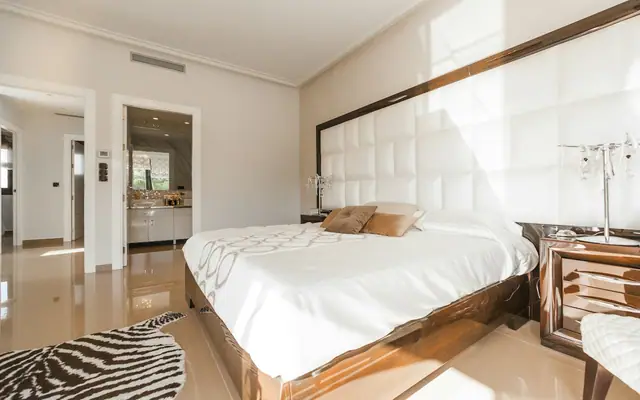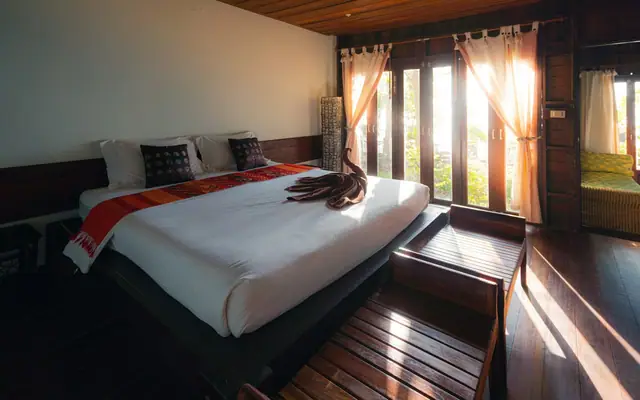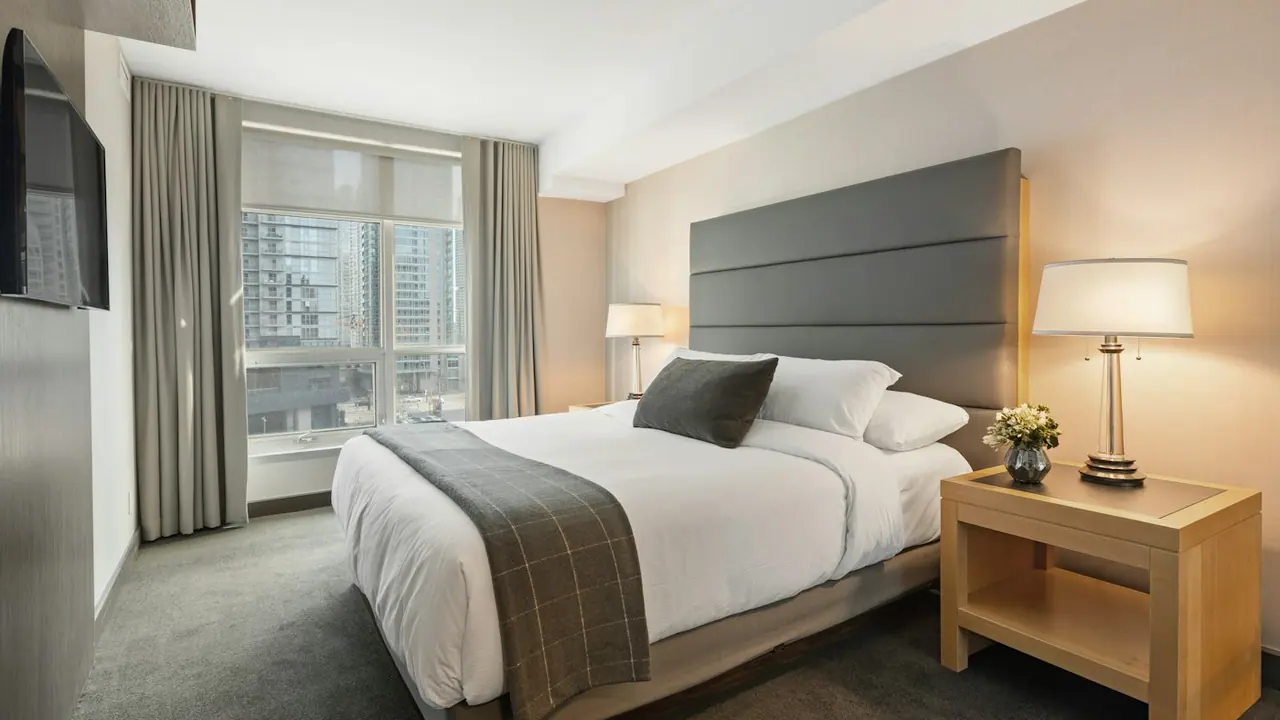
A family room is not a single universal room type. In one hotel the phrase may describe a larger room, in another it may refer to an occupancy option using existing beds, and in a third the practical solution may be two rooms. The reservation only works when the adults, children, bedding, and everyday routines fit the specific arrangement being sold. A photograph of a spacious bed cannot settle those questions by itself.
This guide offers a step-by-step way to compare family hotel rooms in Mangalore without inventing reviews or promising that one property suits every group. Official hotel descriptions are useful starting points, but essential details should be reconfirmed for your dates and rate. All family situations below are hypothetical. The aim is to make the arrival conversation a confirmation of an agreed plan rather than the first time anyone discovers how many people and beds the booking actually requires.
Enter every traveller and the correct child ages
Begin with the actual group rather than searching for the cheapest room shown for two adults. Add every child and use the age requested by the booking system for the stay dates. A room may have a physical space that appears adequate while its permitted occupancy or pricing rules make the proposed arrangement unavailable. The booking engine's treatment of a child can also differ from a parent's ordinary use of the word.
In a hypothetical family with two adults and two children, a room described as accommodating three guests is not an obvious fit merely because the younger child is small. Ask how the property counts each guest and whether an infant requires separate confirmation. If the system cannot represent your group clearly, contact the property before payment. Keep the hotel's written answer linked to the selected room category. A general conversation about welcoming families is less useful than confirmation that the exact room and rate can accommodate the actual names and ages in your reservation.
Separate occupancy from bedding
Permission for a guest to stay does not necessarily include an additional bed. The child may be expected to use existing bedding, or an extra bed may require a separate charge and available floor space. A sofa shown in a photograph is not automatically a sofa bed. Even when an extra sleeping surface is available, it may alter how easily everyone can move around the room.
Ask the hotel to describe each sleeping position plainly: the main bed configuration, any extra bed, and any cot requested. In a hypothetical arrangement with an added bed, ask whether the desk, wardrobe, bathroom door, and luggage area remain usable. The answer may matter more than a small difference in floor area. If bedding is essential, request confirmation rather than leaving it as a special request without status. The goal is to know what will be set up when you arrive, which items are chargeable, and what alternative exists if the requested equipment cannot be supplied.
Read the named room category carefully
Hotel descriptions show why category-level checks matter. Vivanta Mangalore's official room page distinguishes categories and guest limits, while The Ocean Pearl Mangalore's official accommodation page distinguishes room types and bed arrangements. These are examples from those specific hotels, not a claim that other Mangaluru properties use identical rules or descriptions. A category name should be matched to its own details rather than treated as a standardized specification.
Compare the booked category with the photographs actually associated with it. A suite image displayed elsewhere on the hotel's website may not describe the entry-level room in your search result. If the page offers both king and twin arrangements, ask whether your selection guarantees one arrangement or simply expresses a preference. For a hypothetical group that needs separate sleeping spaces, the distinction can be decisive. Write the confirmed bed arrangement into your comparison notes so that an attractive category name does not obscure the practical requirement the room must meet.
Confirm what connecting and adjoining mean
Two rooms can be next to one another, close on the same floor, or connected by an internal door. Those are different arrangements. Some booking interfaces allow a preference without guaranteeing the allocation. If your family needs an internal connection, a general note asking for nearby rooms may not be enough. Ask the property to explain exactly what it can confirm and what remains dependent on availability.
In a hypothetical group travelling with older and younger family members, the best arrangement might be two independently usable rooms near the elevator rather than one larger room. In another group, an internal connection may be essential to the plan. Make that distinction before choosing a nonrefundable rate. Ask what happens if the hotel cannot provide the requested relationship between rooms. A clear alternative is more useful than an assurance that staff will try. Do not interpret the purchase of two identical categories as proof that the rooms will share a wall or a door.
Check the route from arrival to the room
An elevator listed among hotel facilities does not describe the complete route a family will use. There may be steps at the entrance, a change in level between parking and reception, or a corridor section that affects luggage and stroller movement. Describe the actual requirement to the hotel and ask about the whole journey. If step-free access is essential, seek specifics rather than relying only on a general accessibility label.
For a hypothetical family arriving after a long journey, a straightforward drop-off and a place to organize bags may be more valuable than a decorative lobby. Ask where the vehicle stops, whether covered unloading is available, and how the group reaches the elevator. If a traveller needs assistance with mobility, give the relevant practical details without assuming that a standard family-room booking includes specialized support. This is a route-planning conversation, not a medical assessment. The objective is to understand the physical journey before everyone is standing outside with luggage.
Match meals to the family's actual schedule
Breakfast included is a useful phrase only after you know whom it covers, where it is served, and when it is available. A package may include adult breakfasts while children's meals follow another rule. A family leaving early for a train may be unable to use the normal breakfast service. A late arrival may find the preferred restaurant closed even when some other food service remains available.
Ask for the current service hours and the terms applying to the children in your booking. If you need an early packed meal or another arrangement, ask whether it can be confirmed and what it costs. In a hypothetical two-night stay, one included breakfast might fit the schedule while the departure-day service does not. Compare the package on that basis instead of assuming the headline inclusion creates equal value every morning. Describe food preferences or ingredient questions directly to the dining team, and do not infer suitability from a generic statement that the hotel serves many cuisines.
Give rain a realistic place in the plan
A Mangaluru family itinerary should still function if an outdoor outing is shortened or abandoned. That does not mean every hotel must have a children's entertainment programme. It means the room arrangement, food options, and common spaces should support an ordinary day with more time indoors. Verify any specific facility your group would rely on, especially if its availability would determine your choice.
Imagine a hypothetical afternoon when the beach visit is no longer attractive and one child wants to rest while another remains awake. A separate sitting area might help, but only if it is actually part of the booked category. A lobby might provide a change of scene, but it is not necessarily a play area or a space intended for long family use. Ask rather than assume. If a pool or another facility appears in promotional material, check its current operation before making it central to the rainy-day plan. Maintenance can change what a stay offers without changing the room category itself.
Plan the hours outside the room booking
Arrival and departure times can create a gap between the family's transport and the hotel's room access. A morning arrival does not automatically entitle the group to an immediate room, and a late train does not extend checkout. Ginger's published FAQs, for example, describe early arrival and late departure as dependent on availability and an additional cost. That is a specific published policy example, not a promise covering every hotel.
Ask your chosen property what can be confirmed for your schedule. In a hypothetical early arrival, buying access from the previous night may be one option, while storing luggage and using an agreed waiting arrangement may be another. Compare the whole day's practicality instead of the nightly room price alone. Confirm whether a requested late checkout is guaranteed, merely noted, or unavailable. Keep an alternative departure plan for the hours when the room is no longer yours. A smooth transition often contributes more to a family stay than another small amenity on the listing.
Build a family-specific total rather than a room-only total
List the full booking cost for the actual group, including any confirmed extra bedding, child meals, additional room, early access, and transport you intend to arrange through the hotel. Do not assume that all extras are included because the booking system accepted the child ages. Ask which charges are prepaid and which are collected at the property. Keep refundable deposits separate from amounts you expect to spend.
For a hypothetical comparison, one hotel may show a lower base room price but need an extra bed and paid breakfasts to meet the family's needs. Another may cost more initially but include the exact arrangement required. Without current quotations, neither can honestly be declared cheaper. What you can do is compare identical occupancy, dates, inclusions, and cancellation conditions. Record uncertainty rather than assigning guessed charges. If an essential detail remains unanswered, treat the quotation as incomplete instead of allowing the lowest visible number to decide the entire stay.
Send one concise confirmation message
Before paying, summarize the adults and child ages, dates, room categories, bed configuration, meal coverage, arrival time, and any essential room relationship or access requirement. Ask the property to confirm each point in the context of the selected rate. Avoid burying the essential request in a long list of preferences. It should be clear which arrangements are necessary and which are simply desirable.
For a group booking, identify which adult is responsible for changes and which guest names appear on each room. If one household arrives later, ask how the property handles that arrival and any shared payment arrangement. Do not assume that a message attached to one reservation automatically appears on another. This small administrative check can prevent the room configuration from becoming confused when several relatives contact the hotel independently with slightly different requests.
Then save the response with the confirmation number and share the practical plan with the other adults travelling. Family hotel selection becomes easier when everyone knows where they will sleep, when meals are available, and what happens if the day changes. A strong booking is not defined by a universal family-friendly label. It is an agreement that matches a particular group to a particular room arrangement, with the important questions settled before arrival rather than negotiated at the reception desk.